You're reading: Posts Tagged: data visualisation

Competition to visualise open government data

Who loves data? If we’re talking about the android from Star Trek: TNG, then I do, and if we’re talking about the thing that’s not the plural of anecdotes, then I’m pretty sure the answer is everyone.

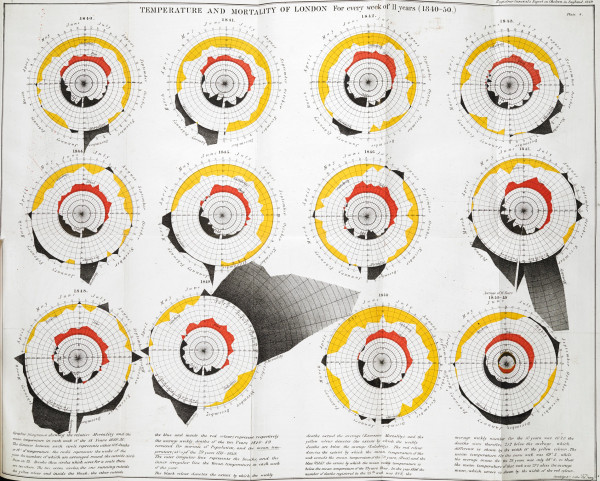
If you love data, then you’ll definitely love visualising data, and Google have teamed up with the Open Knowledge Foundation to launch a data-visualising competition. Nobody has more data than… well, Google, but second in that race is Governments, and the world’s governments are releasing a massive shedload of open data for people to play with.

The London Pie

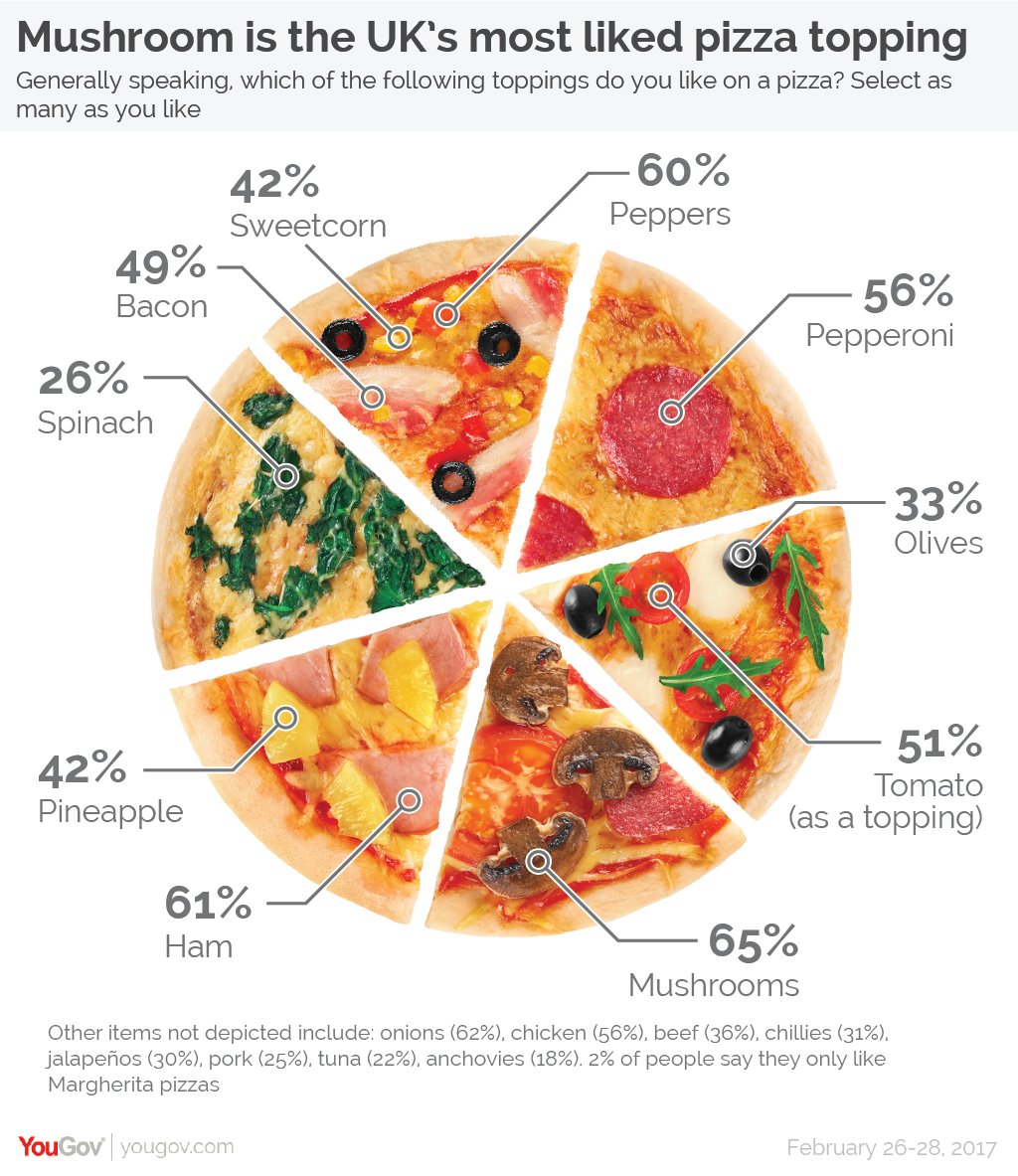
EDF Energy, one of the pantheon of Olympics sponsors, has opted to share its love for energy through its ‘Energy of the Nation’ project, launched earlier this week. By monitoring the nation’s positive and negative ‘energy’, by which they mean ‘things they are saying on Twitter’, they’ll turn the London Eye into a giant pie chart each evening at 9pm and display the results of the previous 24 hours’ sentiments over the course of 24 minutes. While my approval of such a large act of data representation is practically off the (pie) chart, I’m interested to find out how it works before judging it either way.

WLTM real number. Must be normal and enjoy long walks on the plane

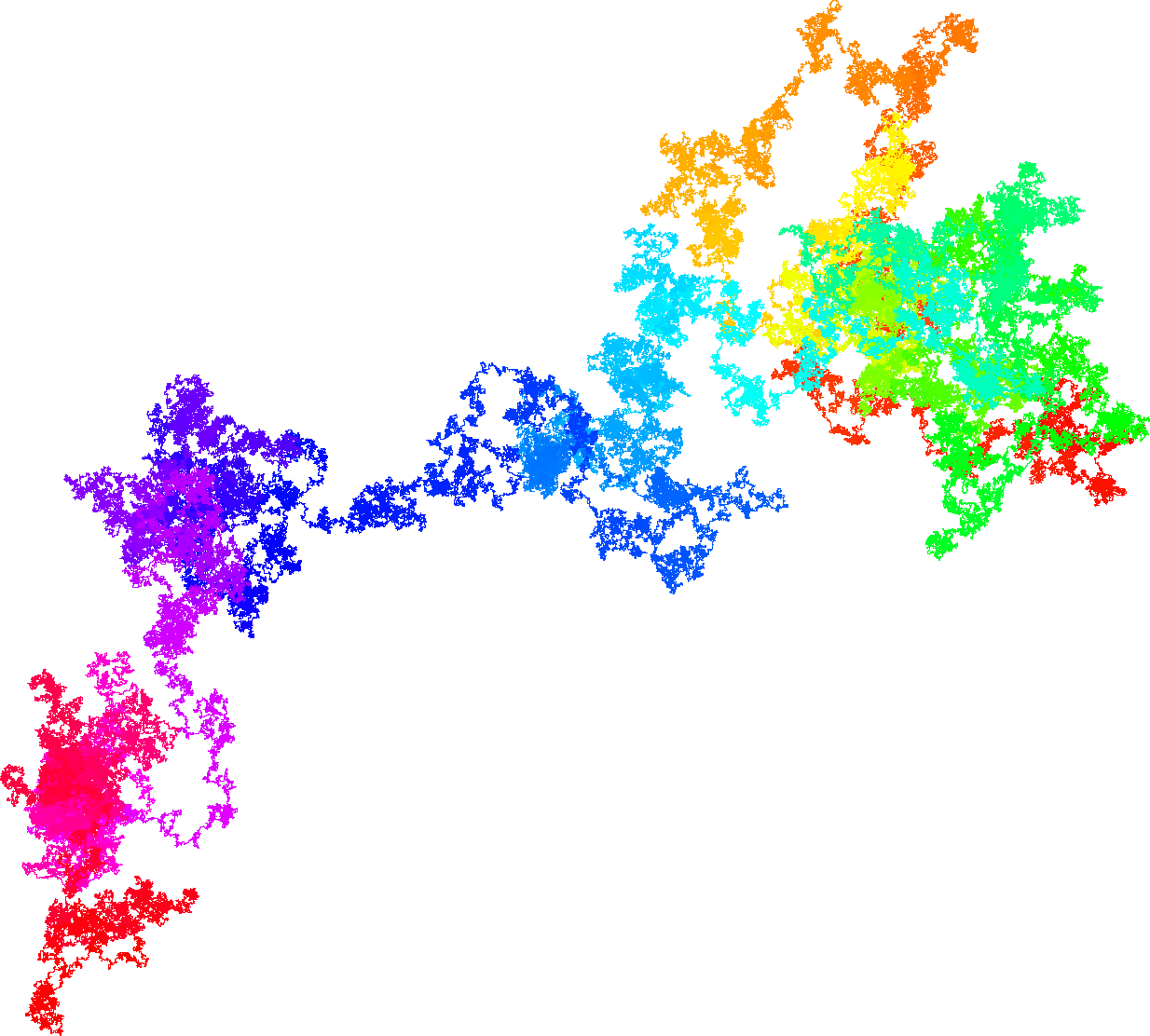
Something that whipped round Twitter over the weekend is an early version of a paper by Francisco Aragón Artacho, David Bailey, Jonathan Borwein and Peter Borwein, investigating the usefulness of planar walks on the digits of real numbers as a way of measuring their randomness.

A million step walk on the concatenation of the base 10 digits of the prime numbers, converted to base 4

A problem with real numbers is to decide whether their digits (in whatever base) are “random” or not. As always, a strict definition of randomness is up to either the individual or the enlightened metaphysicist, but one definition of randomness is normality – every finite string of digits occurs with uniform asymptotic frequency in the decimal (or octal or whatever) representation of the number. Not many results on this subject exist, so people try visual tools to see what randomness looks like, comparing potentially normal numbers like $\pi$ with pseudorandom and non-random numbers. In fact, the (very old) question of whether $\pi$ is normal was one of the main motivators for this study.