Presented by Katie Steckles and Peter Rowlett, episodes of Mathematical Objects will take an object, real or abstract, as inspiration to chat about a mathematical topic. This introduction explains the idea ahead of the first episode, coming soon.
One day, a couple of months ago, I was walking my son to nursery and he asked what I was doing that day. I said I was going to do some teaching. What about? he asked. Well.
My son is obsessed with the Spike Milligan nonsense poem ‘On the Ning Nang Nong’. Here’s a video of Spike reciting it.
This weekend, he asked me to help him learn it. I’ve tried to memorise it before, to save having to find the book when he wants me to recite it. But somehow, it’s never quite stuck. I can remember all the bits and the basic order (Cows-Trees-Mice), and know what happens after the lines ending “Nong” (“Cows go bong”), “Ning” (“Trees go ping”) and “Nang” (“Mice go clang”). What I struggle with is remembering which order the “Ning”, “Nang” and “Nong” go before the one that rhymes with what comes next.
At the weekend, I wrote “Ning”, “Nang” and “Nong” on pieces of paper and we rearranged them as we read the poem. I realised my difficulty is a mathematician pattern-spotting one. There’s a not-quite Latin square embedded in the poem.
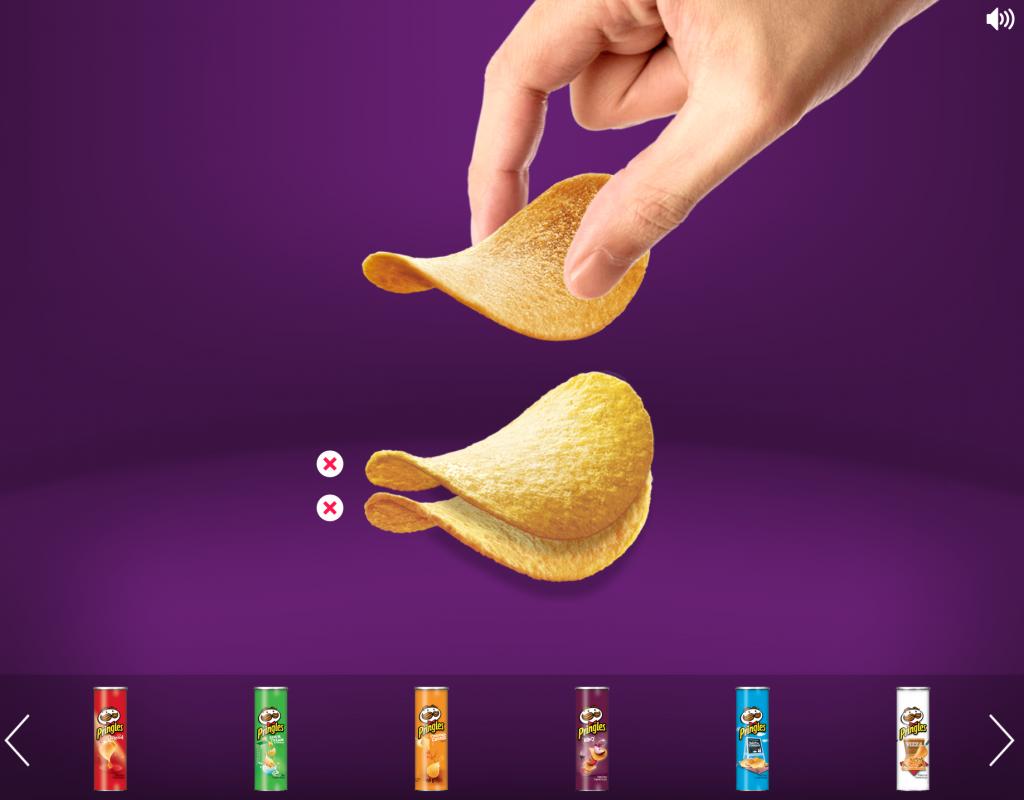
Pringles ran a Super Bowl advert. In case you’re looking for ways to give Pringles more money, apparently you can buy several tubes of Pringles and mix the flavours. (Pringles are a type of food. Super Bowl is a kind of sport. None of that matters, what matters is…) The advert shows a man stacking three Pringles together and claims there are 318,000 possibilities.
It’s that time of year when we take a look at the UK Government’s New Years Honours list for any particularly mathematical entries. Here is the selection for this year – any more, let us know in the comments and we’ll add to the list.
Tim Harford, journalist and presenter of BBC Radio programme More or Less, appointed OBE for services to Improving Economic Understanding.
Deirdre Houston, Deputy Principal, Northern Ireland Statistics and Research Agency, appointed OBE for services to Integrated Education in Randalstown.
Valsa Koshy, Emeritus Professor, Brunel University and mathematics education researcher, appointed MBE for services to Education.
The second annual Royal Statistical Society ‘statistics of the year’ have been announced. The Guardian reports that these include top prize for “90.5%, the proportion of plastic waste that has never been recycled”, and that other statistics awarded or commended involve Jaffa Cakes, poverty, gender equality, climate change and someone called Kylie Jenner. The RSS says “the Statistics of the Year aim to show the sometimes surprising stories that numbers can tell us about the world”.