I notice that our post queue is filling up with interesting mathematical apps, so I thought I’d deal with them all in one big roundup post. Read on for a mix of mathematical games, apps to help with calculations, and some frankly awful art.
I notice that our post queue is filling up with interesting mathematical apps, so I thought I’d deal with them all in one big roundup post. Read on for a mix of mathematical games, apps to help with calculations, and some frankly awful art.
Our good friends at Maths Gear have sent us a tube of “unique polyhedral dice” to review. The description on mathsgear.co.uk says they’re “made from polyhedra you don’t normally see in the dice world”. My first thought was that we should test they’re fair by getting David to throw them a few thousand times but — while David was up for it — I’d have to keep score, which didn’t sound fun.
So instead we thought of some criteria we can judge the dice on, and sat down with a teeny tiny video camera. Here’s our review:
https://www.youtube.com/watch?v=prFc3Vv0lXs
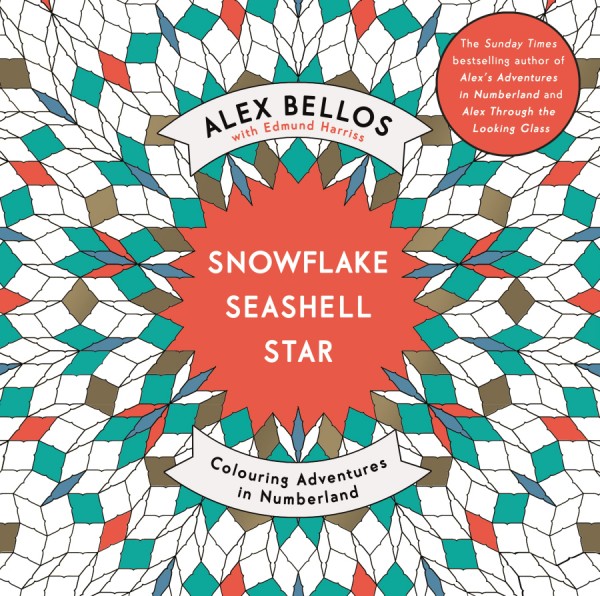
Snowflake Seashell Star is a new mathematical colouring book, by Alex Bellos and Edmund Harriss, aimed at the lucrative ‘grown-up colouring books’ market that’s sprung up recently, heavily intersected with people who are interested in maths – the book can be used as a regular colouring book, but contains lots of interesting mathematical things, and mathematicians will love it. I wouldn’t have expected anything less from maths adventurer Bellos and mathematical artist and tiling fan Harriss, whose personalities both come through in the book – from the beautiful illustration to the playful style (and there’s a sneaky Harriss Spiral in there too).
The first thing I did in order to properly review the book was check an important mathematical fact, in case anyone was worried. And yes, everything in it is colourable using four colours or fewer. Phew.
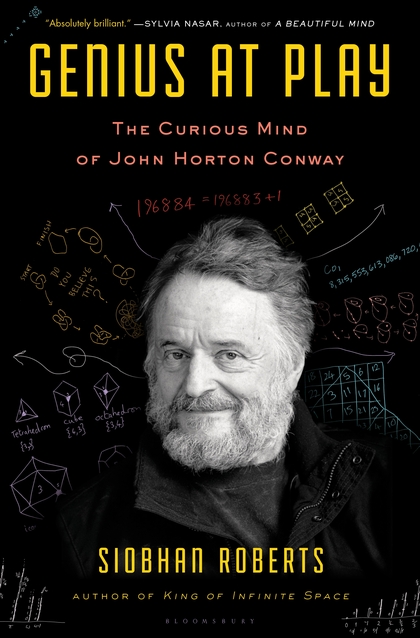
The author Siobhan Roberts has sent us a copy of her new book, Genius at Play. There was a strong implication that we should review it. I’ve now read the book, so I’ll do that: I enjoyed it.
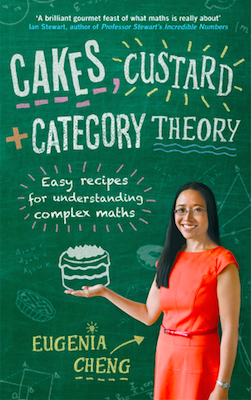
We’ve often mentioned category theorist and occasional media-equation-provider Eugenia Cheng on the site, and she’s now produced a book, Cakes, Custard and Category Theory, which we thought we’d review. In a stupid way.
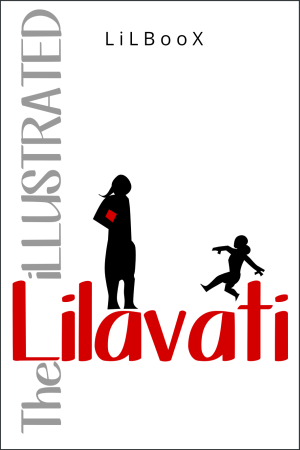
Somdip Datta wrote in to tell us about his illustration of the classic maths textbook, Lilavati, by the Indian mathematician Bhāskara II.
Lilavati contains definitions, algorithms and problems dealing with arithmetic, geometry, combinations, and quadratic equations, all written in meter.
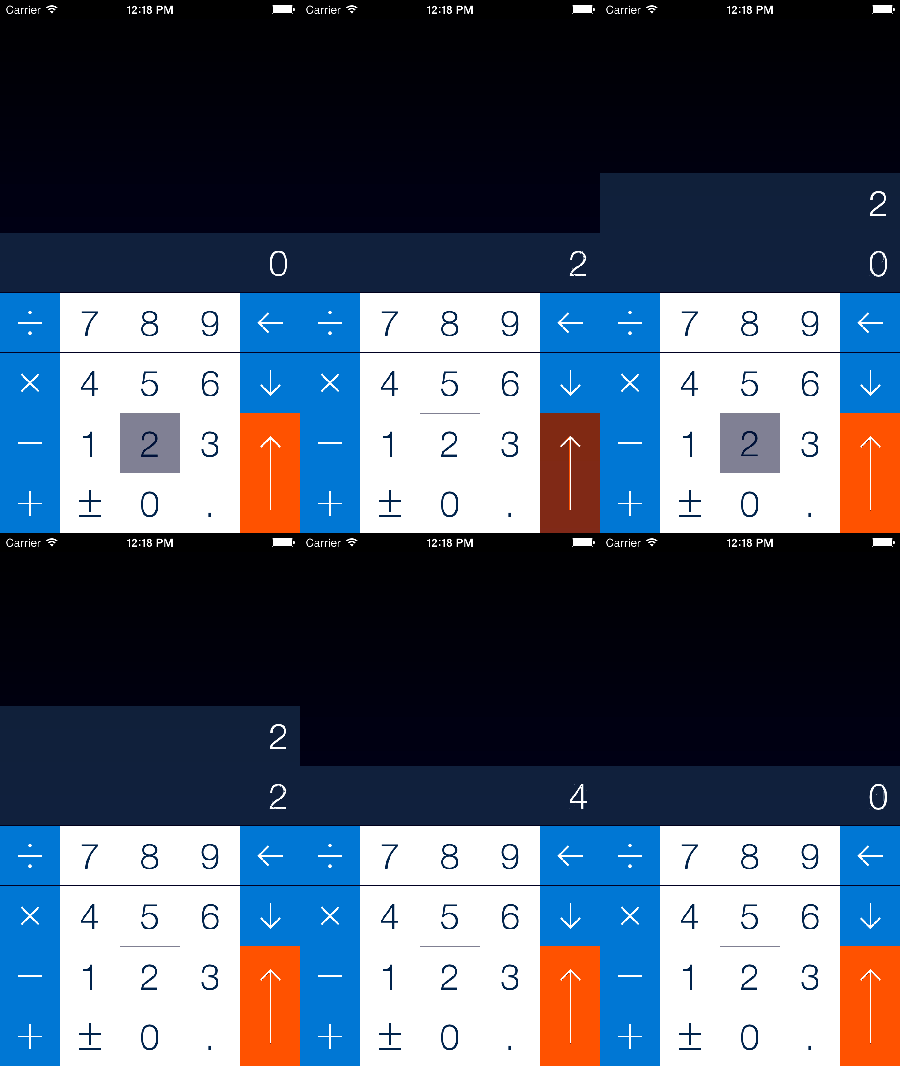
Reader Danial Clelland wrote in to tell us about his new calculator app for iPhone, CALX.
None of us owns an iPhone, but I borrowed someone else’s for a while and had a brief look at the app.