Next week, scientists, science fans and science communicators will converge on Cheltenham town hall for a week of high-quality science festival. But how much of the programme is given over to the queen of all sciences, Mathematics? Here’s a list of some of the events going on we’d be interested in going to.
You're reading: Posts By Katie Steckles
Four silly stories
Silly maths stories, like buses with a taxi sneaking into the bus lane behind them, come along four at a time, it seems. None of these stories merits being reported on here on its own, but we felt the fact that they all came to our attention so close to each other deserved recognition.
Puzzlebomb – June 2013
 Puzzlebomb is a monthly puzzle compendium. Issue 18 of Puzzlebomb, for June 2013, can be found here:
Puzzlebomb – Issue 18 – June 2013
The solutions to Issue 18 can be found here:
Puzzlebomb – Issue 18 – June 2013 – Solutions
Previous issues of Puzzlebomb, and their solutions, can be found here.
Cream(t)
This just in! Important research from mathematicians at the university of Sheffield (in particular, category theorist Eugenia Cheng) has determined the correct proportions of jam and cream to use when creating a jam and cream scone. As the Aperiodical’s cake correspondent, my duty is to report these significant results.
MathsJam Conference 2013 – registration now open
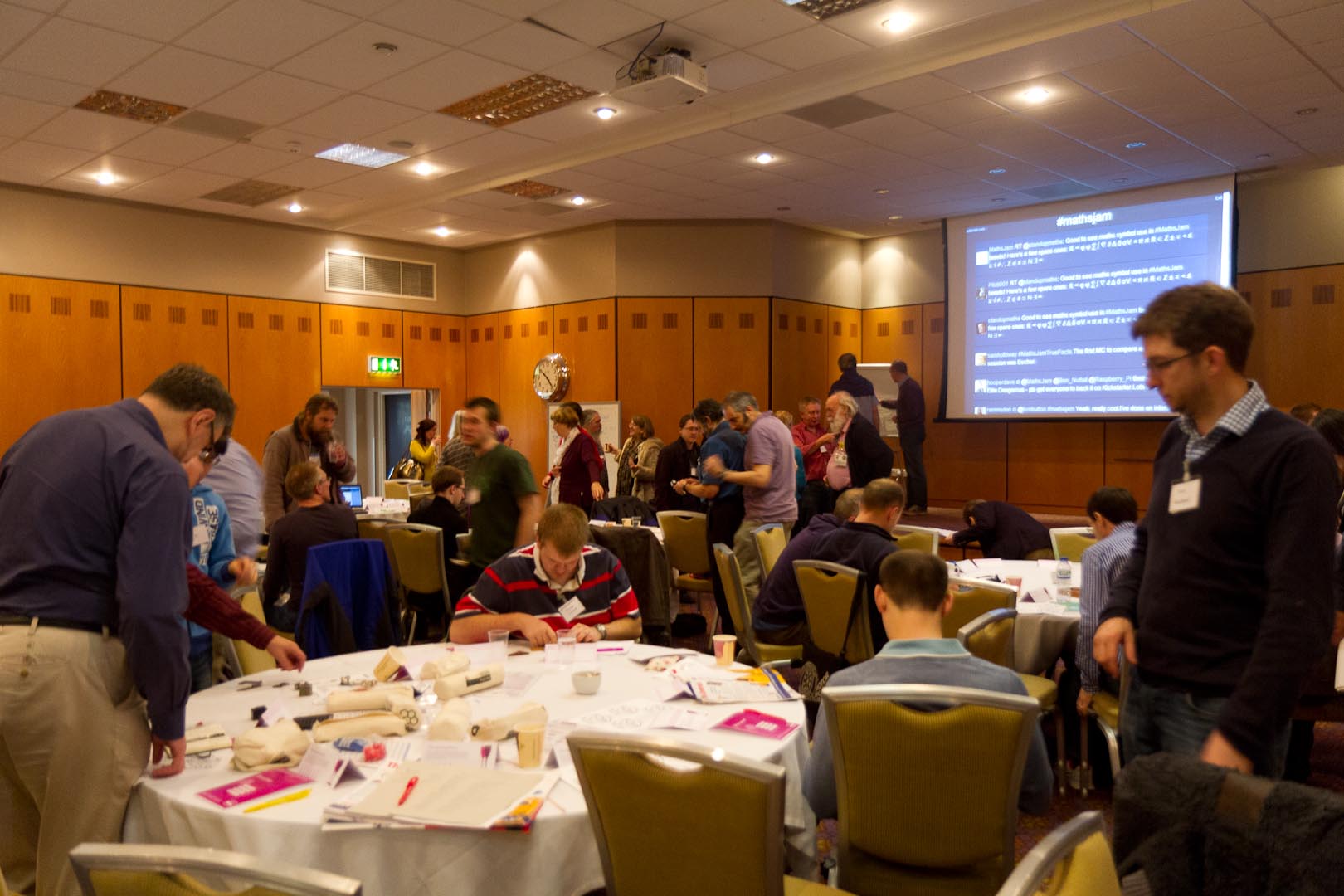
As well as being an excellent monthly pub-based meeting, MathsJam also has an annual conference, which takes place every November. Registration is now open for the 2013 conference, which takes place on 2nd and 3rd November.
MathsJam is an opportunity for like-minded self-confessed maths enthusiasts to get together in a pub and share stuff they like. Puzzles, games, problems, or just anything they think is cool or interesting. The annual conference is a weekend of lightning talks, where you can show or demonstrate something you want to share, followed by lengthy coffee breaks for conversation and socialising. And coffee.
Details about the conference, as well as the chance to register and secure your place, can be found at the MathsJam conference website.
All Squared, Number 6: Favourite maths books (part 2)
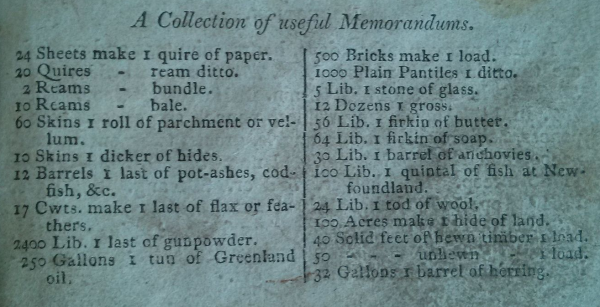
This number of the All Squared podcast contains the final third of our interview with the inestimable David Singmaster, and then a bit from CP about his favourite book, “A treatise on practical arithmetic, with book-keeping by single entry“, by William Tinwell.

Podcast: Play in new window | Download
Subscribe: RSS | List of episodes
2² number theory tricks
Here are some nice number facts and tricks you can try out on your friends. They will work without understanding how, but with a little investigation you should be able to figure out how each one works.