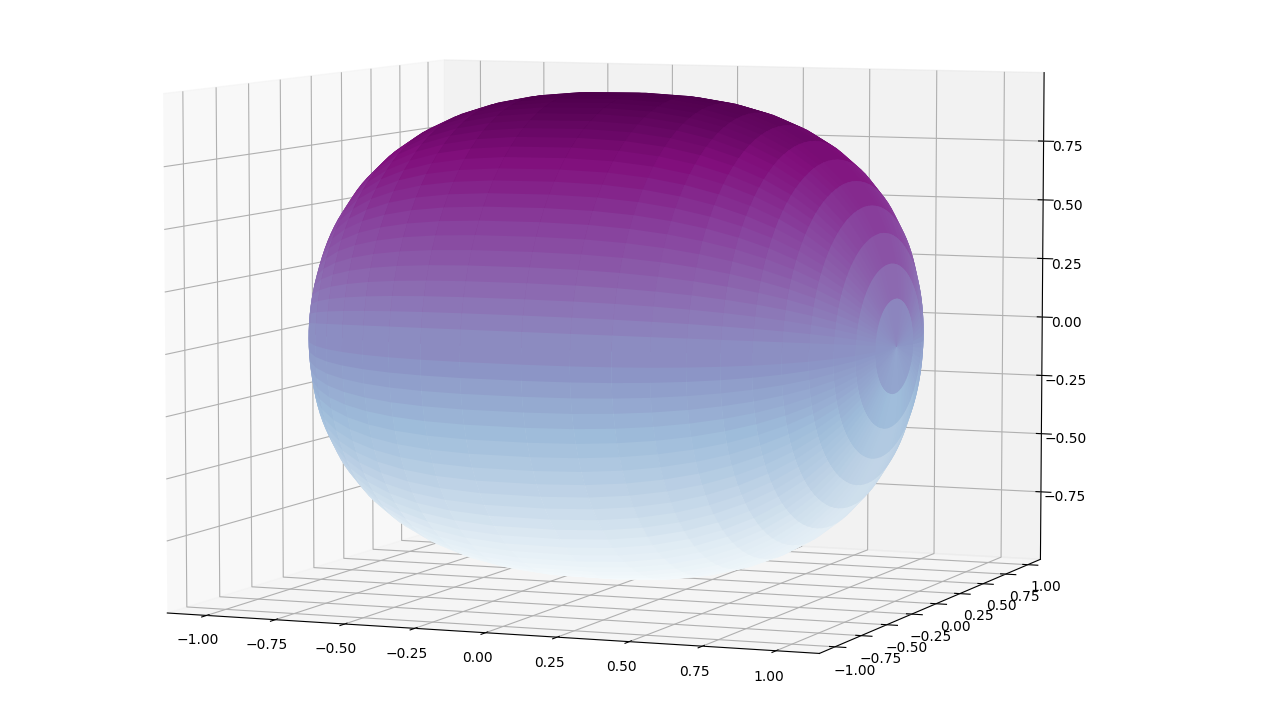
A conversation about mathematics inspired by a superegg. Presented by Katie Steckles and Peter Rowlett, with special guest Hannah Fry.

Podcast: Play in new window | Download
Subscribe: RSS | List of episodes
A conversation about mathematics inspired by a superegg. Presented by Katie Steckles and Peter Rowlett, with special guest Hannah Fry.
Podcast: Play in new window | Download
Subscribe: RSS | List of episodes
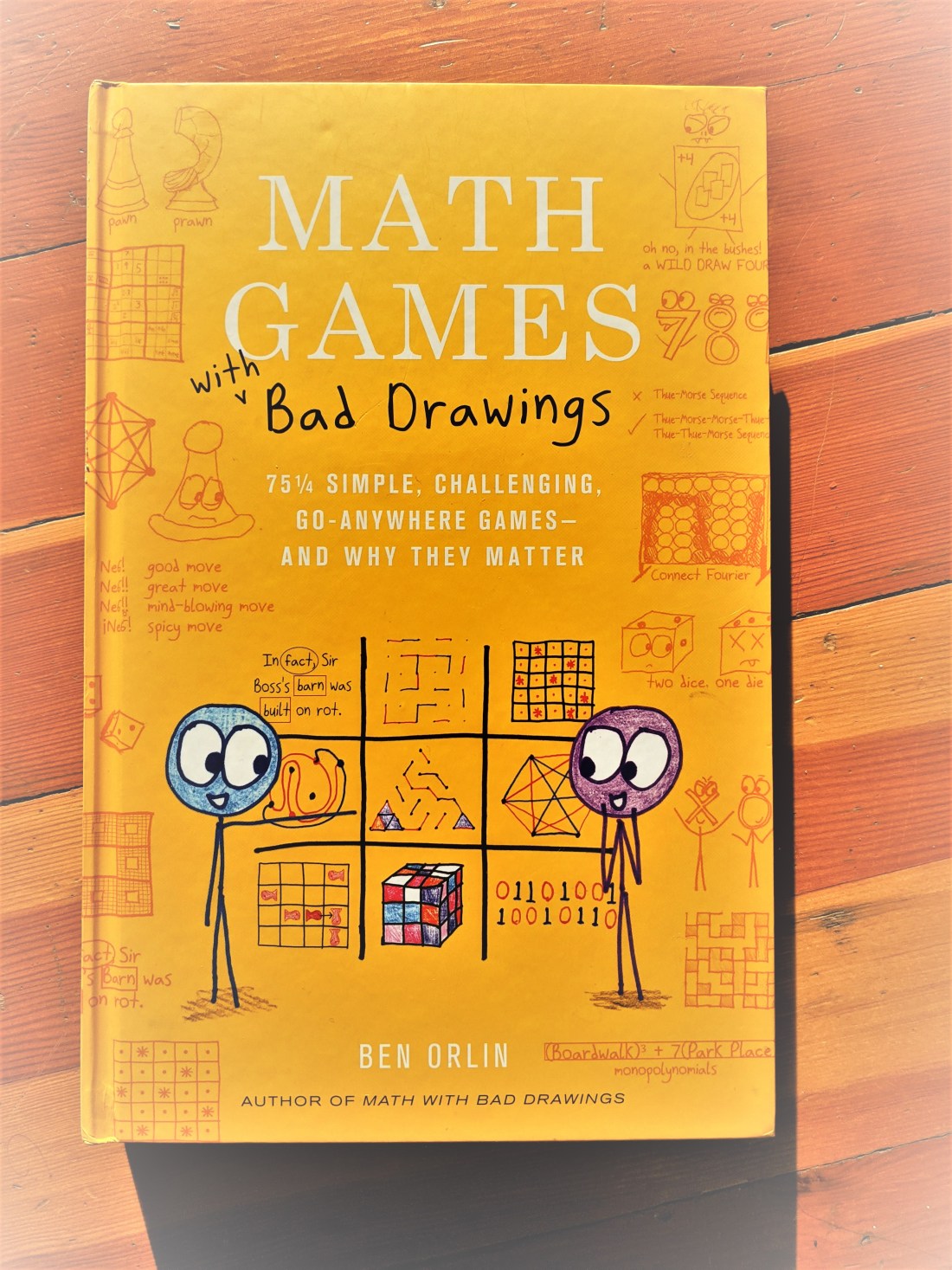
Friend of the site and good writer/bad drawer Ben Orlin has recently released a new book, and we were kindly sent a copy to play with and review.
The next issue of the Carnival of Mathematics, rounding up blog posts from the month of March and hosted by Ben, is now online at Math Off The Grid.
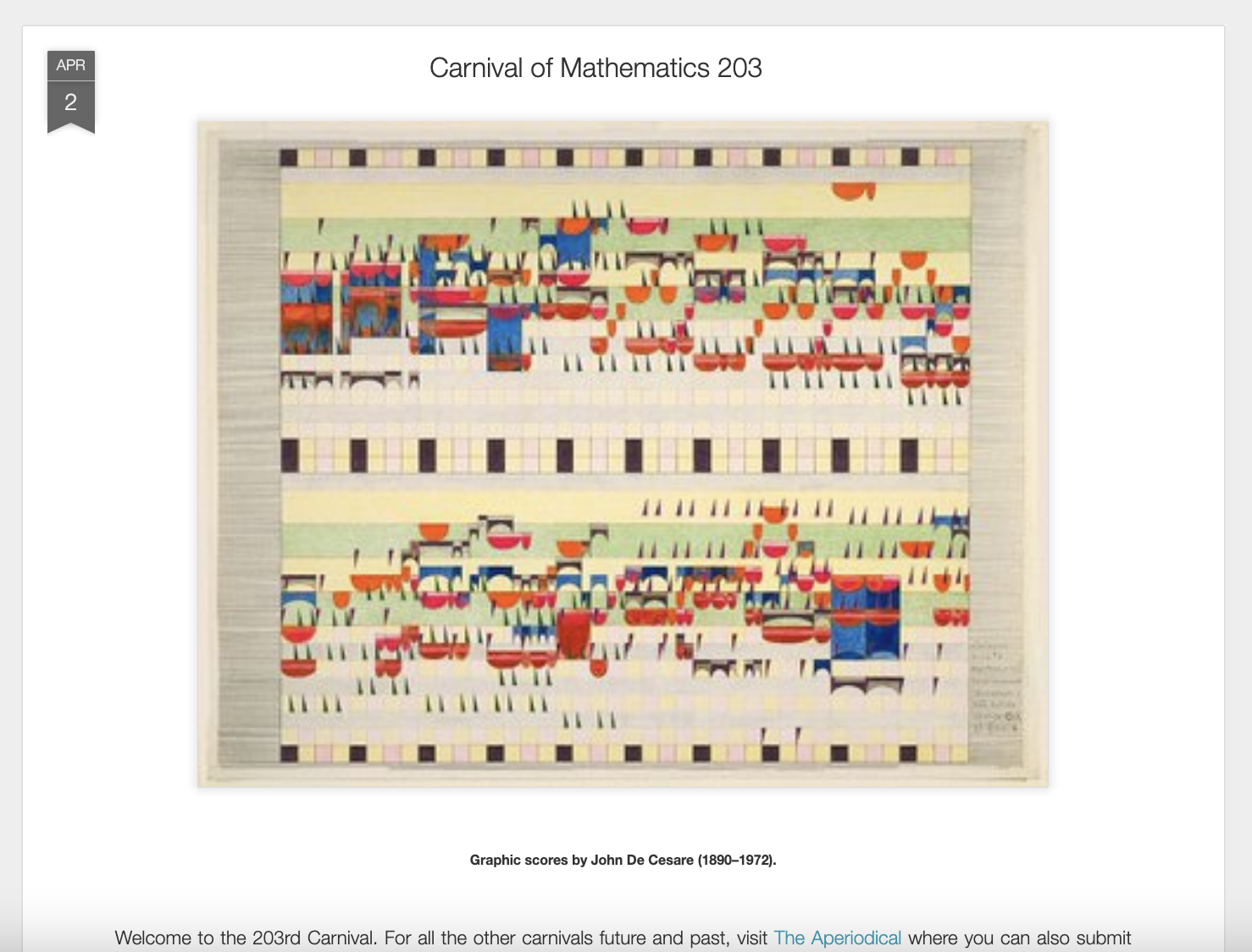
The Carnival rounds up maths blog posts from all over the internet, including some from our own Aperiodical. See our Carnival of Mathematics page for more information.
Earlier today, I tweeted about my exciting new Pi search website, which lets you search for any string of digits within the infinite decimal expansion of π. If you haven’t seen it, go and check it out now.
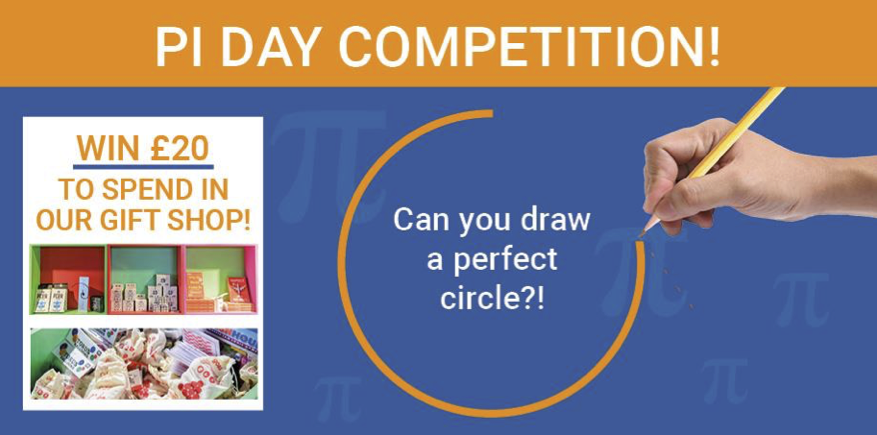
To celebrate 14th March (π day), MathsCity in Leeds is hosting a competition to celebrate everyone’s favourite geometrical shape whose circumference is π times its diameter: the circle.
The next issue of the Carnival of Mathematics, rounding up blog posts from the month of February, is now online at Fractal Kitty.
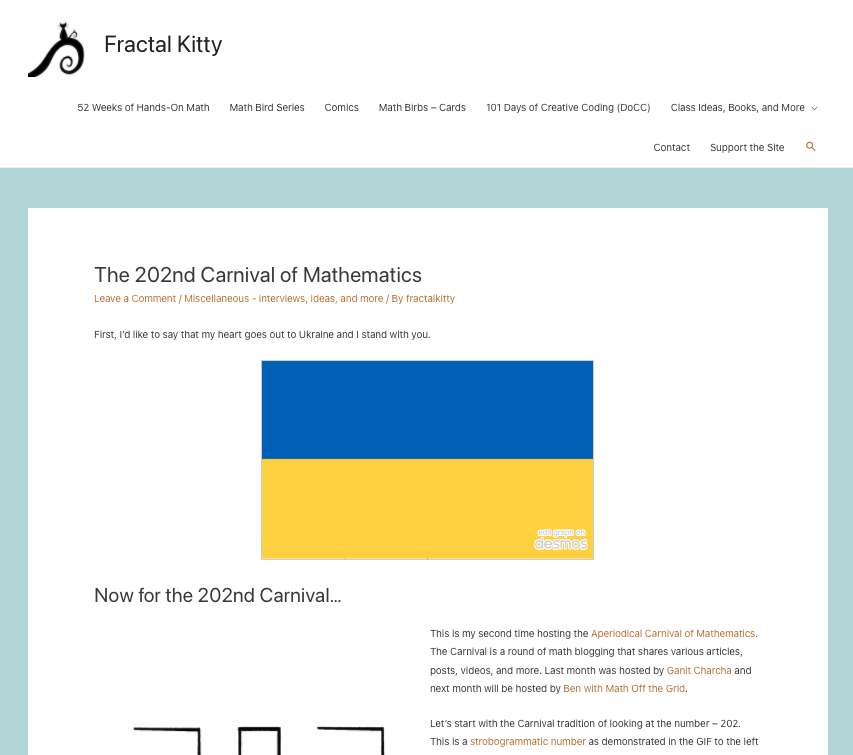
The Carnival rounds up maths blog posts from all over the internet, including some from our own Aperiodical. See our Carnival of Mathematics page for more information.
Here’s a roundup of mathematical things that have happened in February 2022.
The deeply troubling and developing situation in Ukraine has implications for the 2022 International Congress of Mathematicians (ICM) due to take place in St. Petersburg, Russia in July. A group of Ukrainian mathematicians has issued a call for mathematicians to boycott the event. National organisations around the world have been issuing statements setting out their positions, standing down their participation and calling on the International Mathematical Union to not hold the event as planned. Here are some we spotted:
The International Mathematical Union (IMU) itself wrote to its member organisations expressing its deep concern, acknowledging the calls and saying it is assessing the situation.
The organisers of the Gathering 4 Gardner recreational maths conference have announced that this year’s event, taking place in April, will be a hybrid event with 50% discount for online-only places, making them a snip at $200. Registration is restricted to previous attendees and invitees, but it is possible to nominate yourself or someone else for an invitation.
Casualties of the recent storms in the UK apparently also include Newton’s apple tree – not the actual tree an apple fell on his head from, but scions of the original are planted all over the UK and one of the ones at Cambridge, which was planted in 1954, hasn’t survived the combined effects of Storm Eunice and gravity. More info in this excellent Twitter thread.
The Royal Statistical Society has released a report entitled Behind the numbers: The RSS puts the statistical skills of MPs to the test, in which they report the results of asking an anonymous unspecified group of Labour and Conservative MPs a series of simple stats and probability questions. The survey concluded that while MPs performed better than they did in a similar test ten years ago, their stats skills were still sub-par. It may not be as unambiguous as the research seems to claim though – Rob Eastaway has thoughts about the questions used.

Canadian number theorist Dr. Matilde Lalín is to receive the Krieger-Nelson prize, awarded since 1995 by the Canadian Mathematical Society to recognise outstanding contributions in the area of mathematical research by a female mathematician. (via Jordan Ellenberg)
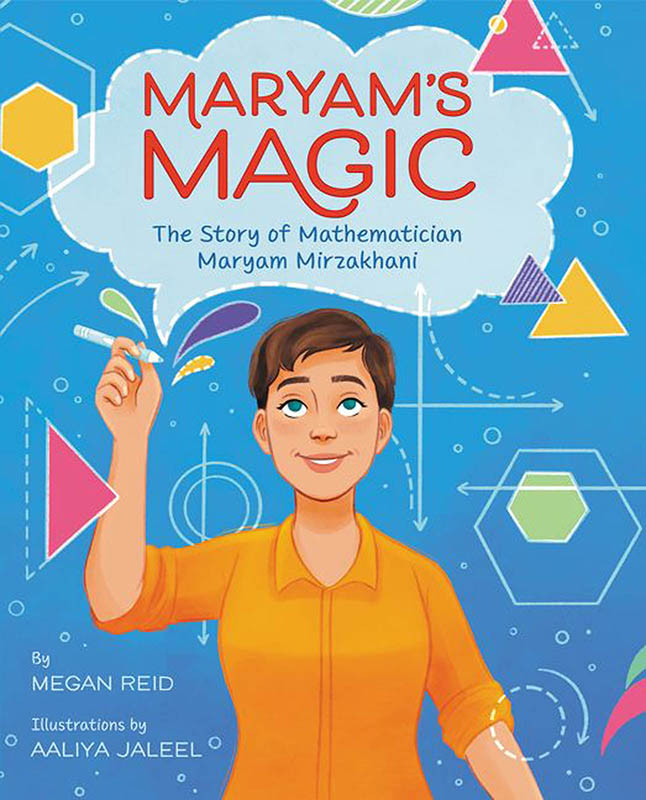
The winners of the 2022 Mathical book prize, an annual award for fiction and nonfiction books that inspire children of all ages to see maths in the world around them, have been announced. The winners look to include some lovely titles, including Maryam’s Magic – the story of mathematician Maryam Mirzakhani – and the fantastic-sounding Uma Wimple Charts Her House. (via Jordan Ellenberg)
If you like that kind of thing, you can buy a bunch of cheap maths puzzle book PDFs in a Humble Bundle (via Adam Atkinson). And if you like proof assistants, there’s now a Proof Assistants Stack Exchange.