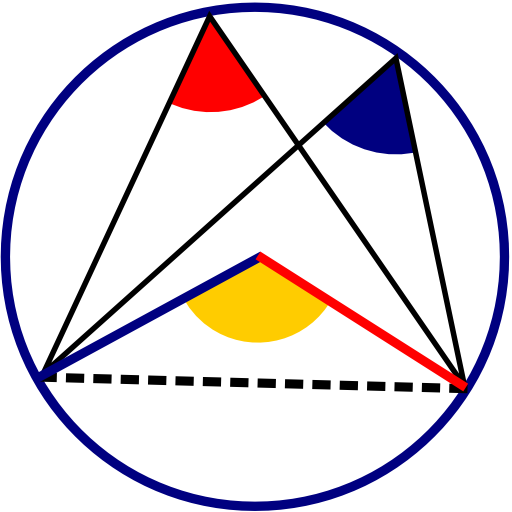
Happy birthday to Turismo Matemático, a happy little blog which has been posting pictures of mathematical objects around the world for five years now. It’s one of my favourite maths blogs; if you weren’t already aware of it, now’s as good a time as any to go and have a look.
You're reading: Columns
Puzzlebomb – December 2013
Puzzlebomb is a monthly puzzle compendium. Issue 24 of Puzzlebomb, for December 2013, can be found here:
Puzzlebomb – Issue 24 – December 2013
The solutions to Issue 24 can be found here:
Puzzlebomb – Issue 24 – December 2013 – Solutions
Previous issues of Puzzlebomb, and their solutions, can be found here.
Carnival of Mathematics 105
The next issue of the Carnival of Mathematics, rounding up blog posts from the month of November, and compiled by Oluwasanya Oluwafemi, is now online at Mathemazier.
The Carnival rounds up maths blog posts from all over the internet, including some from our own Aperiodical. See our Carnival of Mathematics page for more information.
Menger zoom by functor.co
I really really like this zoom into a Menger sponge made by Reuben Thomas of functor.co.
The minch, the mound and the light-gigaminch
On Wednesday 27th November 2013, friend of The Aperiodical and standup mathematician Matt Parker tweeted a link to his latest YouTube video.
In the video Matt apologises for some remarks on the imperial number system that he made in an earlier Number Hub video about the A4 paper scale. He then goes into some of the quirkiness of the many imperial number units used for measuring length. It is an unusual ‘apology’, although very entertaining.
This got me thinking about how I think about lengths, and I tweeted that I often think in ‘metric-imperial’ units of length, or multiples of exactly 25mm in my job as a civil and structural engineer – a metric inch, if you like. Colin Wright suggested the name ‘minch’ for these units; there are then two score minch to the metre.
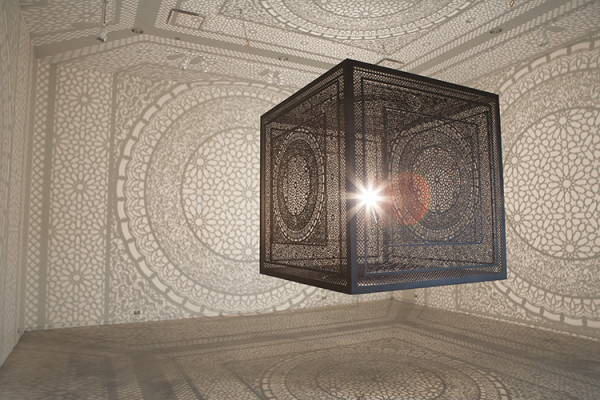
Daydream by Nonotak Studio
[youtube url=http://www.youtube.com/watch?v=UY7l_UgHhBQ]
via NotCot.org
Dynamic generation of maths questions
I was recently asked about my MSc dissertation (by someone who may choose to ‘out’ themselves here, but as it was a personal email I won’t name them). In my dissertation, for a Masters degree in computing in 2003-4, I developed a system for pre-processing MathML code using PHP to include pseudo-randomised values in the questions for an e-assessment tool. The title is ‘Asking Questions With MathML: dynamic treatment of XML and pseudo-randomised mathematics assessment’.
The query was from someone who is training to be a maths teacher and is doing some web development. They had seen mention of my MSc dissertation topic on this blog and asked where they could read more about the underlying web technologies. Here, basically, is what I replied.