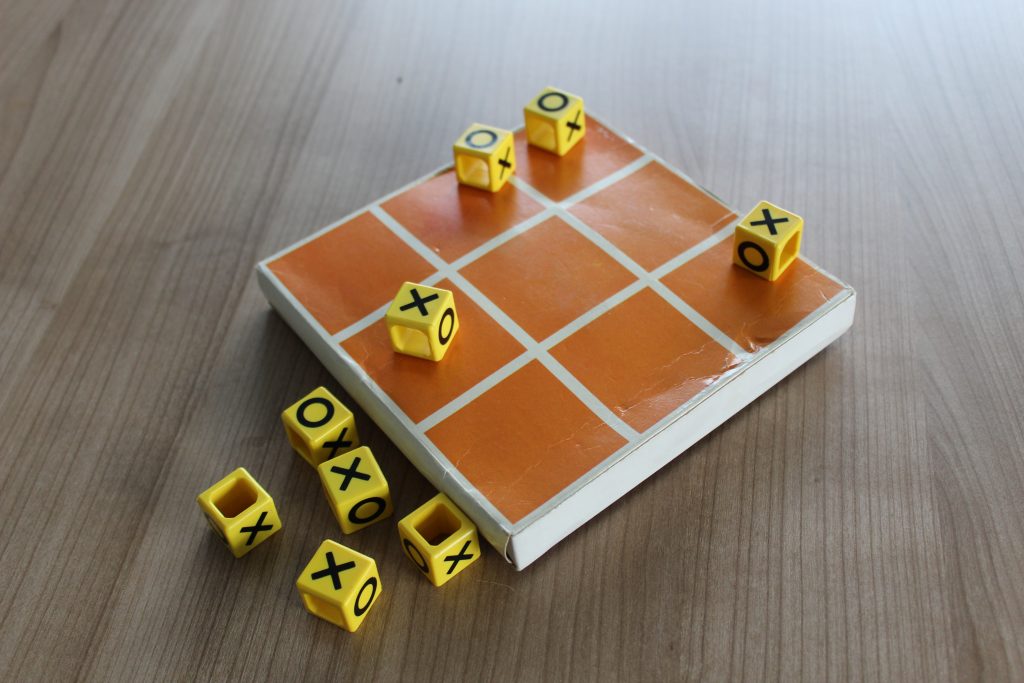
A conversation about mathematics inspired by the game Ox Blocks. Presented by Katie Steckles and Peter Rowlett.

Podcast: Play in new window | Download
Subscribe: RSS | List of episodes

A conversation about mathematics inspired by the game Ox Blocks. Presented by Katie Steckles and Peter Rowlett.

Podcast: Play in new window | Download
Subscribe: RSS | List of episodes

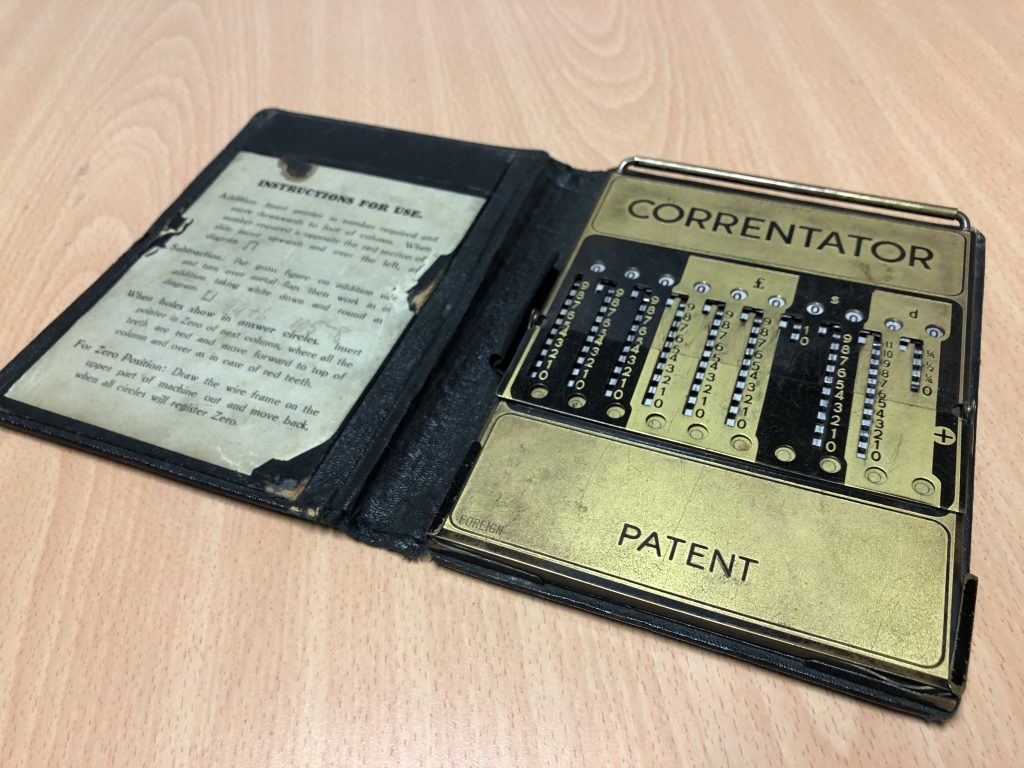
A conversation about mathematics inspired by a Correntator, a mechanical adding machine. Presented by Katie Steckles and Peter Rowlett, with special guest Christian Lawson-Perfect.

Podcast: Play in new window | Download
Subscribe: RSS | List of episodes

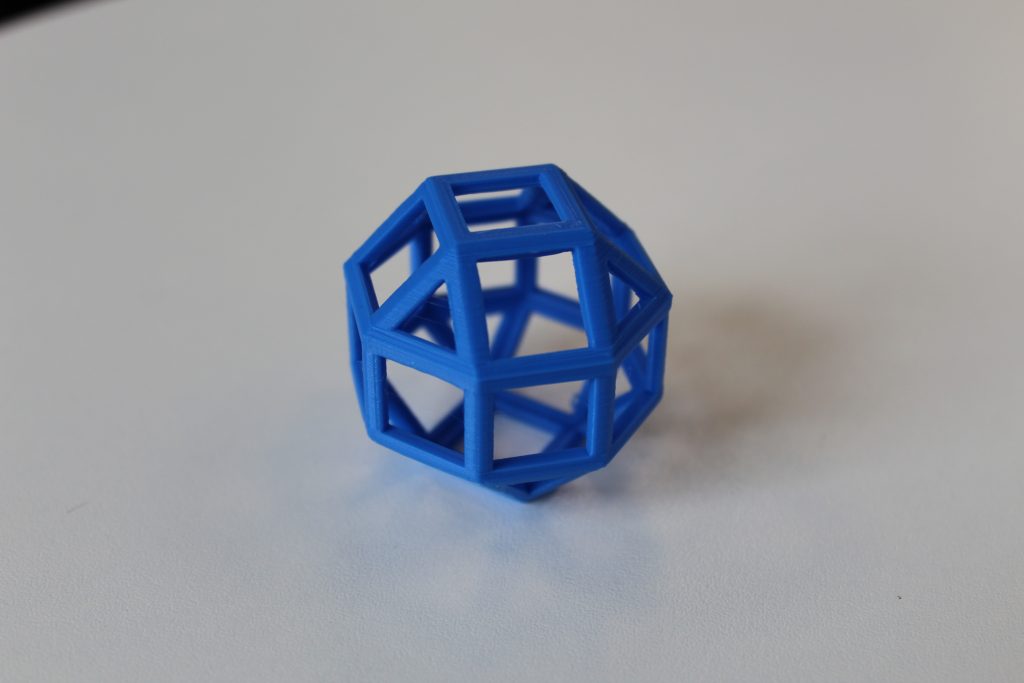
A conversation about mathematics inspired by the pseudorhombicuboctahedron. Presented by Katie Steckles and Peter Rowlett.

Podcast: Play in new window | Download
Subscribe: RSS | List of episodes

A conversation about mathematics inspired by a pair of skipping ropes. Presented by Katie Steckles and Peter Rowlett.

Podcast: Play in new window | Download
Subscribe: RSS | List of episodes

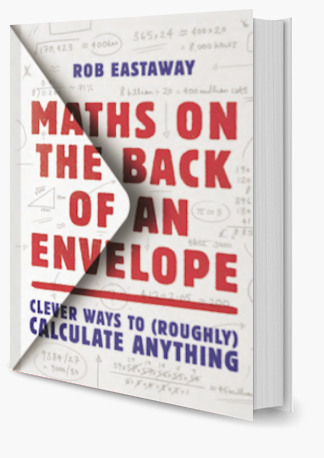
A book about mental arithmetic? By Rob Eastaway? Count me in! In my fuzzy mental Euler diagram of topics and authors, Maths On The Back Of An Envelope lies in the intersection of several ‘favourite’ circles.
Perhaps paradoxically, this meant I was expecting to be a little disappointed: how can a book, by an author I admire, on a topic I both love and have Strong Opinions about, live up to what I’d like it to be? Luckily, Eastaway’s writing is excellent, even taking into account that you expect it to be excellent.
I have two simple rules for deciding whether a popular maths book is Any Good. Firstly: does it teach me something I didn’t know? And secondly: does it entertain me when treading ground I’m familiar with?

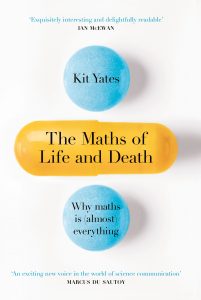
Aperiodicolleague Kit Yates has recently had a new book out: The Maths of Life and Death. He’s kindly agreed to share a sample chapter with us, explaining the God Equation: it’s used by NICE to decide whether to fund new drugs.
In my new book, The Maths of Life and Death, I explore the true stories of life-changing events in which the application (or misapplication) of mathematics has played a critical role: patients crippled by faulty genes and entrepreneurs bankrupt by faulty algorithms; innocent victims of miscarriages of justice and the unwitting victims of software glitches. I follow stories of investors who have lost fortunes and parents who have lost children, all because of mathematical misunderstanding. I wrestle with ethical dilemmas from screening to statistical subterfuge and examine pertinent societal issues such as political referenda, disease prevention, criminal justice and artificial intelligence. I aim to demonstrate that mathematics has something profound or significant to say on all of these subjects, and more.